Un Ecosistema Estratégico para la Ciencia Mundial
.
Galápagos: A Living Learning Laboratory of Global Relevance
The Galápagos Islands constitute one of the most unique socio-ecological systems on Earth. Located in the Eastern Pacific, the archipelago is globally recognized for its extraordinary biodiversity, high endemism, and foundational role in shaping modern evolutionary science. Today, Galápagos stands not only as a symbol of natural heritage but as a climate change hotspot where global environmental transformations are unfolding in real time. Rising sea temperatures, ocean acidification, altered precipitation regimes, and increasing frequency of extreme events are reshaping terrestrial and marine ecosystems, as well as freshwater systems and island ecological processes, including aquifer recharge dynamics, endemic species interactions, and nutrient cycling. These climatic pressures interact with growing anthropogenic demands — tourism, bioeconomy, fisheries, urbanization, waste management, water security, and energy transitions — creating a delicate balance between conservation and human development, with direct implications for ecological integrity and under an integrated One Health framework that recognizes the interdependence of environmental, animal and human health. Galápagos is therefore more than a protected area; it is a natural laboratory that directly links ecosystems and human wellbeing. It offers a rare opportunity to understand how small island systems respond to global change and how science-based governance can support resilience. In a century defined by sustainability challenges, Galápagos provides a globally relevant platform for interdisciplinary research at the interface of climate, biodiversity, technology, and society.
Ejes del Entorno de Investigación

High Biodiversity
Fragile human–ecosystem balance under increasing pressure

Natural Laboratory
Direct linkages between ecosystems and human wellbeing

Climate Hotspot
Eastern Pacific epicenter for climate variability research
-
Project Principles
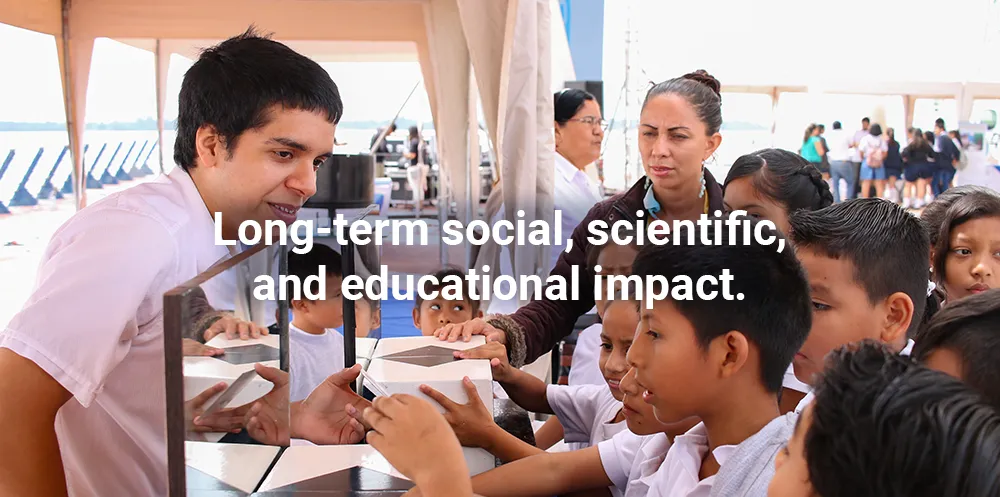
The ESPOL Galápagos Project is guided by a set of principles that shape its design, implementation, and long-term vision, in alignment with the special regime of the province, the applicable regulatory framework, and international standards of sustainability and academic quality:
-

-
ESPOL’s Long-Term Commitment
The Escuela Superior Politécnica del Litoral (ESPOL) has established sustainability and resilience as core institutional priorities.
Through an official, interdisciplinary Program for Sustainability & Resilience, led directly by the Vice-chancellor for Research, Innovation and Outreach, ESPOL is consolidating research, education, and innovation efforts to address local and global complex socio-environmental challenges.
This is not a short-term initiative. For more than a decade, ESPOL faculty and research groups have conducted sustained scientific work in the Galápagos Islands, developing collaborative projects, field campaigns, and applied studies with local and national stakeholders. This long-standing engagement has generated deep institutional knowledge of the archipelago’s ecological, social, and governance dynamics, as well as trusted relationships with key actors in territory.
It represents a structured institutional commitment that integrates engineering, oceanography, life, earth and social sciences, data science, public policy, and technology development. The creation of a permanent presence in Galápagos is a natural extension of ESPOL’s mission to generate knowledge that serves both Ecuador and the global community.
-

ESPOL Galápagos Campus Vision
ESPOL Galápagos Campus is envisioned as a permanent education, research and field station designed to operate as a global platform for island sustainability science. Its purpose is to create the scientific infrastructure necessary for long-term, high-impact research and advanced undergraduate and graduate education and training.
The Campus will serve as:
-
A permanent interdisciplinary research station supporting terrestrial, marine, and socio-ecological studies.
-
An international undergraduate and graduate training hub focused on field-based, problem-driven education.
-
An outreach and community engagement program that works collaboratively with local authorities, productive sectors, and civil society organizations in Galápagos to co-design solutions, strengthen capacities, and translate scientific knowledge intro practice.
-
A collaborative innovation and technology space where engineering solutions for water, energy, waste, food systems, and conservation technologies can be prototyped and tested.
-
A platform for long-term environmental observation, integrating climate data, biodiversity monitoring, oceanographic systems, and socio-economic indicators.
-
A co-developed global laboratory for island sustainability, open to strategic international partners.
ESPOL Galápagos Visión
Innovation
Interdisciplinary collaboration and applied technology development
Long-Term Observation
Continuous environmental monitoring across marine and terrestrial systems
Undergraduate and Graduate Education
Joint PhD supervision and international student exchange programs
Permanent Research Station
Year-round operational capacity for continuous scientific work
Why This Matters Now?
Island systems are experiencing accelerating climate variability. The intensification of El Niño–Southern Oscillation dynamics, marine heatwaves, and shifting ocean currents are already affecting coral reefs, fisheries, freshwater availability, and food security.
At the same time, anthropogenic pressures are increasing. Tourism recovery, infrastructure expansion, and resource demands create urgent governance challenges. Decision-makers require real-time, science-based tools to manage uncertainty and risk.
The timing is critical for several reasons:
-
The need for integrated climate-biodiversity-human systems research has never been greater
-
Galápagos offers an opportunity for global research leadership in island resilience science
-
There is strong alignment with national authorities, conservation agencies, and international partners seeking evidence-based solutions
-
ESPOL’s initiative is institutional and long-term — not an isolated project but a strategic transformation platform
By establishing a permanent campus, we create the foundation for multi-decadal datasets, experimental interventions, and adaptive management frameworks that can inform island systems worldwide.
Ejes de Intervención y Prioridades Estratégicas

Climate Acceleration
Intensifying variability demands continuous observation

Anthropogenic Pressure
Tourism, invasive species, and resource demands rising

Decision Support
Science-based tools urgently needed for policy response

Global Leadership
Opportunity to lead a socio-ecological transformation platform
-
Opportunity for a Joint Research Platform
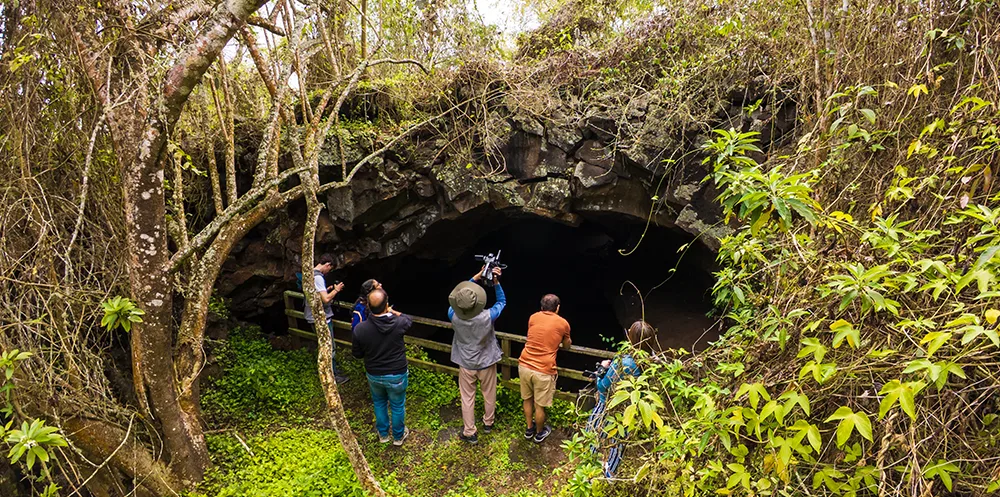
ESPOL Galápagos Campus is conceived as an international field-based research infrastructure, designed explicitly for long-term academic partnerships.
This platform enables:
-
-
Shared laboratories and coordinated field campaigns with partner universities
-
Visiting scholar and faculty exchange programs

-
Summer Schools and Global Seminars

-
Joint PhD supervision and co-designed graduate training programs

-
Co-application to competitive funding sources including the National Science Foundation (NSF), the Galapagos Life Fund, Green funds, and other international research funds

-
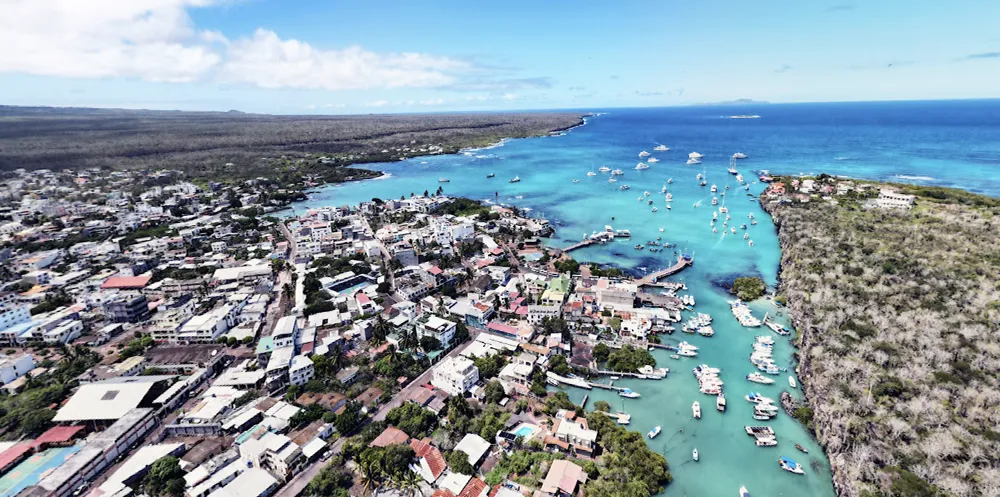
Development of Galápagos as a global research node in the Eastern Pacific, linking institutions across the Americas and beyond
-
Fortalecimiento de Capacidades y Redes de Investigación
-
Shared Laboratories
Joint field facilities and visiting scholar exchange programs for extended collaborative research
-
Joint Graduate Training
Co-supervised PhD programs and bilingual researcher development across both institutions
-
Co-Funded Research
Joint proposals to NSF, Galapagos Life Fund, EU, Green funds, and international funding agencies
-
Global Research Node
Galápagos positioned as a premier Eastern Pacific node in the global research network
Project Status
The ESPOL Galápagos Project is currently in a phase of progressive development. At present, technical, academic, and planning studies are being carried out, based on the territorial particularities of the archipelago, along with coordination processes involving local, national, and international stakeholders. The initiative is conceived as a dynamic and evolving project, open to cooperation processes, institutional learning, and continuous adjustments to ensure its relevance, sustainability, and long-term viability.
International Cooperation and Partnerships
The ESPOL Galápagos Project actively promotes the development of strategic partnerships with universities, research centers, cooperation agencies, foundations, and international organizations interested in contributing to sustainable development and the generation of knowledge in heritage territories of high scientific value.
Areas of collaboration include, among others:
-
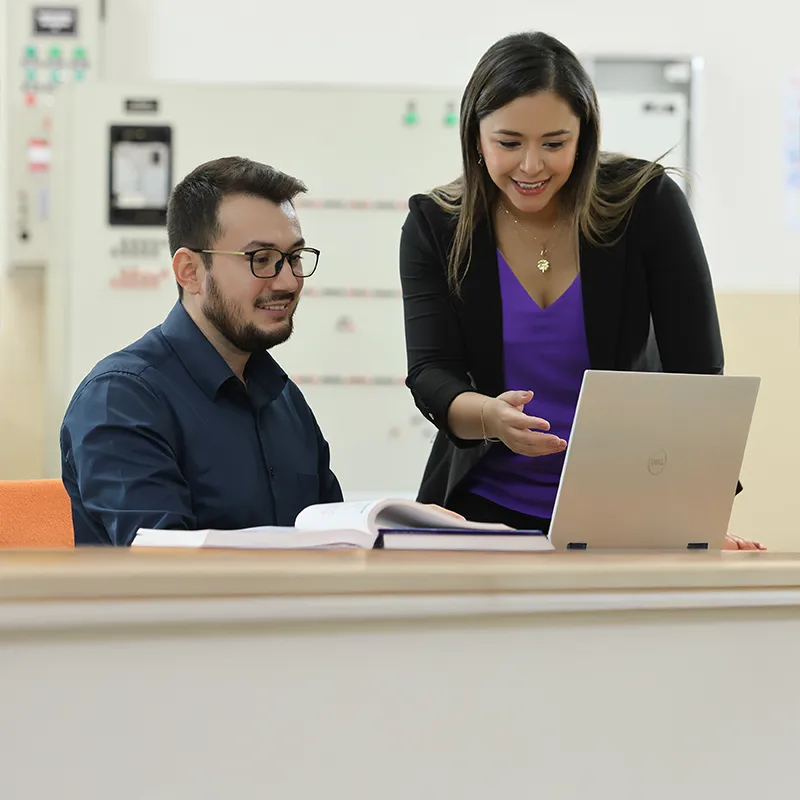
Joint Scientific Research
-

Academic and Institutional Strengthening
-
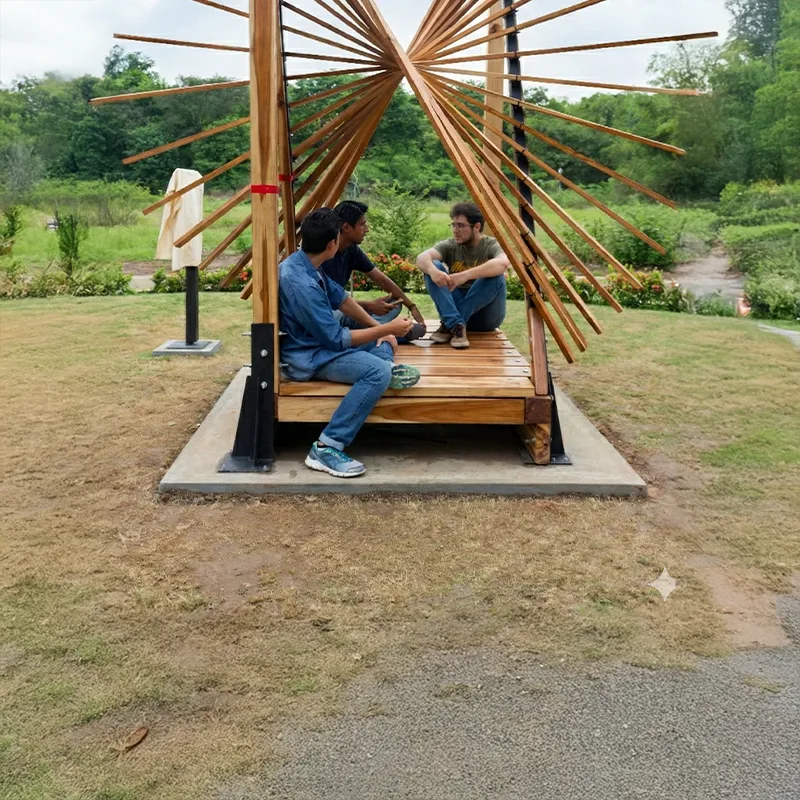
Development of Sustainable Educational Infrastructure
-
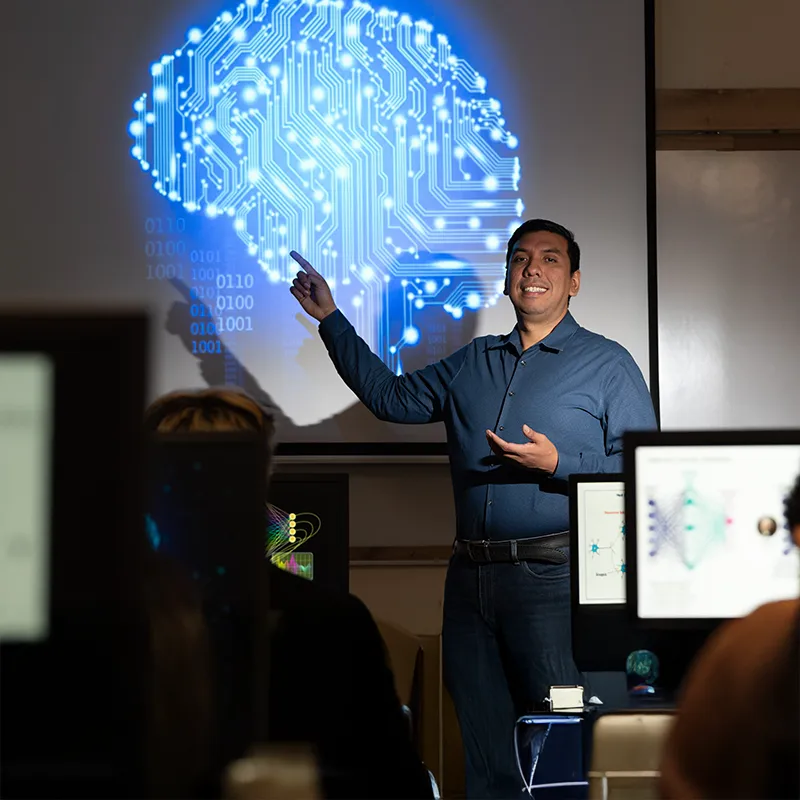
Academic mobility programs, advanced training, and knowledge networks
-
ESPOL Institutional Support
The Escuela Superior Politécnica del Litoral (ESPOL) is a public university of excellence, recognized for its leadership in higher education, science, technology, and innovation in Ecuador and the region.
ESPOL has a well-established track record in scientific research, high-level academic training, and national and international cooperation, as well as sustained experience in projects developed in the Galápagos territory, in collaboration with public institutions and strategic local stakeholders.
-

News
-
 Wed, 08/12/2026 - 15:16
ESPOL participa en diálogo para fortalecer cooperación universitaria en Galápagos
-
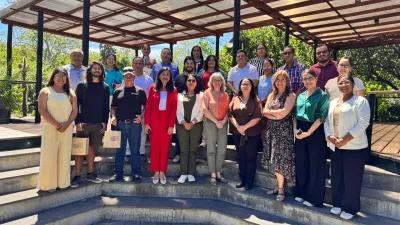 Thu, 06/04/2026 - 10:07
Encuentro de Educación superior y sostenibilidad para impulsar el desarrollo de Galápagos
-
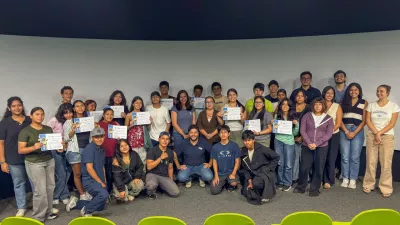 Thu, 06/04/2026 - 07:51
ESPOL e instituciones aliadas acercan la educación superior a estudiantes de bachillerato en Galápagos para formar profesionales con propósito
-
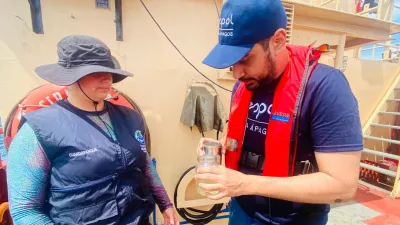 Tue, 05/05/2026 - 14:46
Avances científicos en la reserva marina Hermandad fortalecen su conservación
ESPOL Galápagos
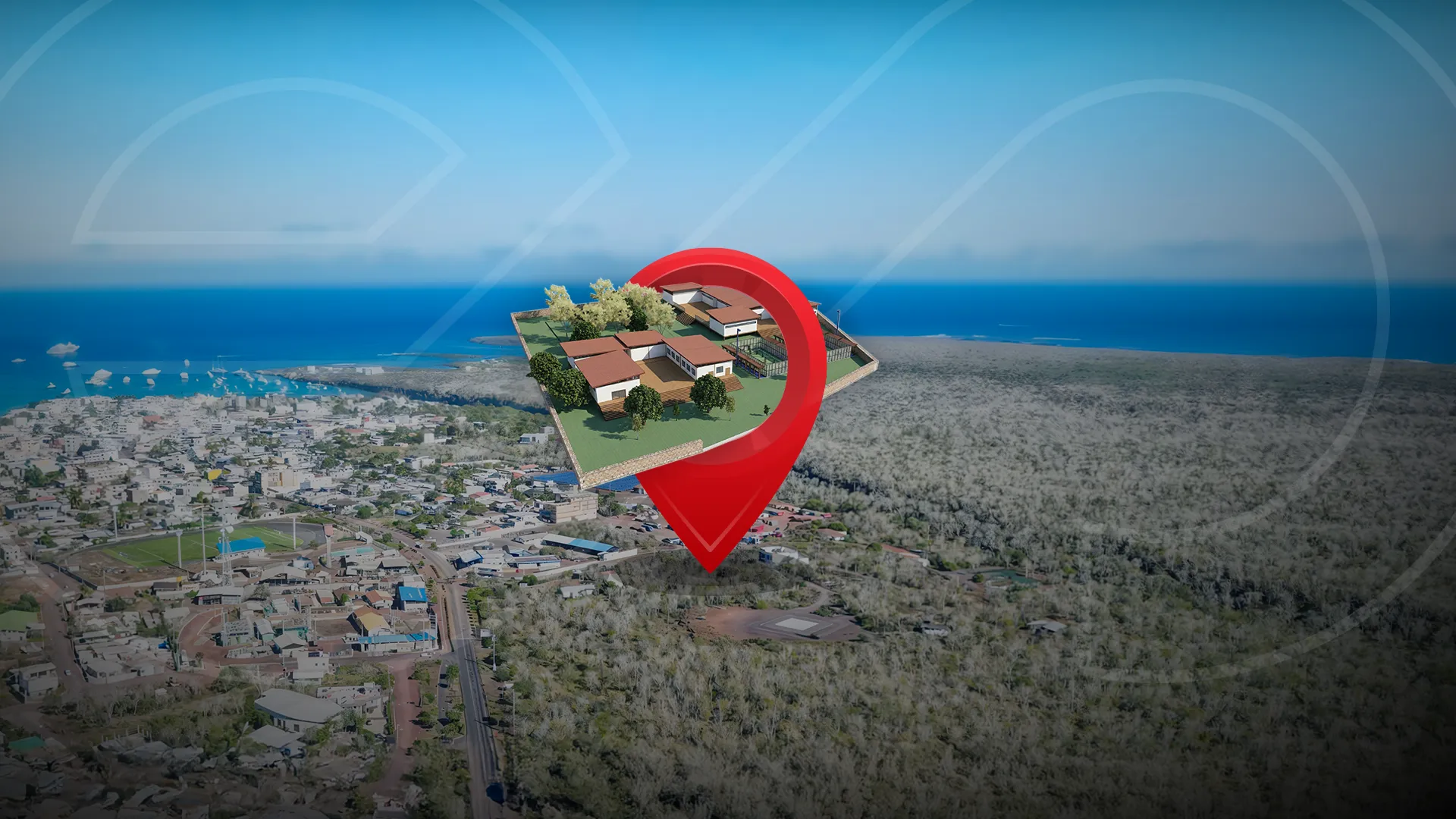
The ESPOL Galápagos Project proposes the progressive development of an academic and scientific initiative with a presence on the islands of Santa Cruz and Isabela, designed to respond to the environmental, social, and regulatory particularities of the archipelago. The initiative is conceived as a space for education, knowledge generation, applied research, and academic and scientific cooperation, aligned with international standards of sustainability and academic excellence.
The project integrates teaching, research, and community engagement, and is envisioned as a platform open to national and international collaboration, oriented toward the joint construction of evidence-based solutions to local, national, and global challenges in social, environmental, and productive sectors.
ESPOL Galápagos is built upon a sustained academic presence in the territory. Since its inception, ESPOL has conducted research on the islands in close cooperation with public institutions, environmental management agencies, and local communities, under principles of respect for the environment, shared responsibility, and collaborative work.
In recent years, ESPOL has carried out more than 40 scientific research projects in Galápagos, involving high-level academic researchers and resulting in more than 20 indexed publications. These studies have addressed topics such as environmental and public health, biodiversity, oceanography, climate change and resilience, geosciences, human productive systems, and territorial sustainability.